
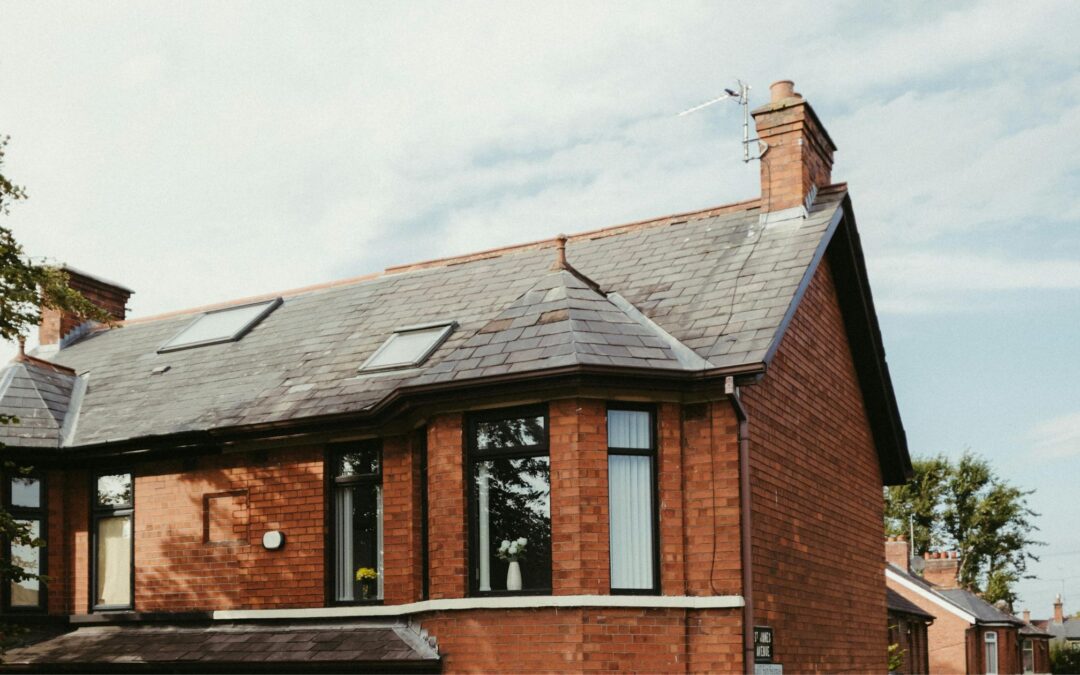
Your roof is one of the hardest working parts of your home, protecting everything beneath it from rain, wind, snow and sun all year round. Despite this, it is often the part of a property that gets the least attention until something goes wrong. This guide covers the main roofing materials available, how to spot the signs of a roof needing attention, and why hiring roofers north wales matters the most when looking at the roofline care.
Choosing the Right Roofing Material
There is no single best roofing material for every property. The right choice depends on the style of your home, your budget, and how long you want the roof to last. Some of the most common options include:
Natural and Welsh slate offers a traditional, attractive finish and is known for exceptional durability, often lasting many decades when properly installed and maintained. It remains a popular choice for period properties and homes where a classic aesthetic matters.
Felt roofing is a cost effective option often used on flat roofs, outbuildings and extensions. It provides reliable weatherproofing at a more affordable price point than some other materials, making it a practical choice for many residential and commercial applications.
EPDM rubber roofing has grown in popularity in recent years thanks to its flexibility, durability and resistance to cracking or splitting over time. It is particularly well suited to flat roof applications, offering a long lifespan with minimal maintenance requirements.
Interlocking and traditional tiles remain a familiar sight on pitched roofs throughout the UK, offering a good balance of cost, appearance and performance for standard residential properties.
Flat Roofs: What Homeowners Should Know
Flat roofing is a common feature on outbuildings, extensions, garages and many commercial properties, and it comes with its own set of considerations. A well installed flat roof, particularly one using modern materials such as EPDM rubber or fibreglass, can offer a lifespan of up to twenty years with relatively little maintenance. One of the advantages of flat roofing is that repairs can often be carried out on a specific damaged section, rather than requiring the entire roof to be replaced, which can make ongoing upkeep more cost effective compared with some pitched roof systems.
Signs Your Roof May Need Attention
Catching roofing problems early can save considerable time, stress and expense further down the line. Look out for the following warning signs:
- Missing, cracked or slipped tiles or slates, particularly noticeable after storms or high winds
- Damp patches or staining on ceilings, which often indicate water penetration from above
- Sagging areas on a flat roof, which can signal ponding water or structural issues
- Moss or vegetation growth, which can trap moisture and accelerate wear over time
- Daylight visible through the roof structure from inside a loft space
- Debris or granules collecting in guttering, which can point to deteriorating roofing materials
If you notice any of these signs, it is worth arranging an inspection promptly rather than waiting for a small issue to develop into a more significant repair.
Why Roofline Care Matters
While the roof covering itself often gets the most attention, the roofline, comprising the fascias, soffits and guttering, plays an equally important role in protecting your property. Traditional wooden roofline components are particularly vulnerable to rotting and woodworm over time, and once compromised, they can no longer fully protect the roof structure or the walls beneath from water damage.
Modern uPVC soffits, fascias and guttering systems offer a highly durable, low maintenance alternative to timber. Being resistant to rot, warping and insect damage, uPVC roofline components can significantly reduce the risk of costly repairs further down the line, while also requiring far less ongoing upkeep than painted or treated wood.
The Role of Guttering in Roof Health
Guttering is often overlooked, yet it plays a critical role in directing rainwater safely away from a property. Blocked or damaged gutters can cause water to overflow, potentially leading to damp problems, damage to fascias and soffits, and even issues with a building’s foundations over time. Regular gutter clearance and cleaning, along with prompt repair or replacement of damaged downpipes, helps ensure water is channelled away effectively and protects the wider structure of the roof and property.
When to Consider a New Roof
While repairs can extend the life of a roof considerably, there comes a point where a full replacement becomes the more sensible and cost effective option. Signs that a new roof may be worth considering include frequent, recurring repairs, widespread wear across the majority of the roof surface, or a roof that has reached or exceeded its expected lifespan for the material used. Upgrading to modern, energy efficient roofing materials can also bring additional benefits, including improved insulation and potential reductions in heating and cooling costs throughout the year.
Working With Qualified Roofing Professionals
Roofing work, whether a full installation, a repair or a roofline upgrade, is not a task suited to guesswork. A skilled and qualified roofing team will be able to assess your specific property, advise on the most suitable materials for your needs and budget, and carry out the work to a high standard that stands the test of time. Whether you are dealing with an emergency repair after storm damage or planning a full re-roof, working with experienced professionals helps ensure the job is done properly the first time.
Final Thoughts
A well maintained roof is one of the most important investments in protecting a property, and understanding the materials, warning signs and maintenance needs involved can help homeowners make informed decisions. From choosing the right covering material to keeping guttering clear and rooflines in good condition, a little proactive care goes a long way towards avoiding costly problems and keeping a home safe, dry and comfortable for years to come.
Recent Comments