
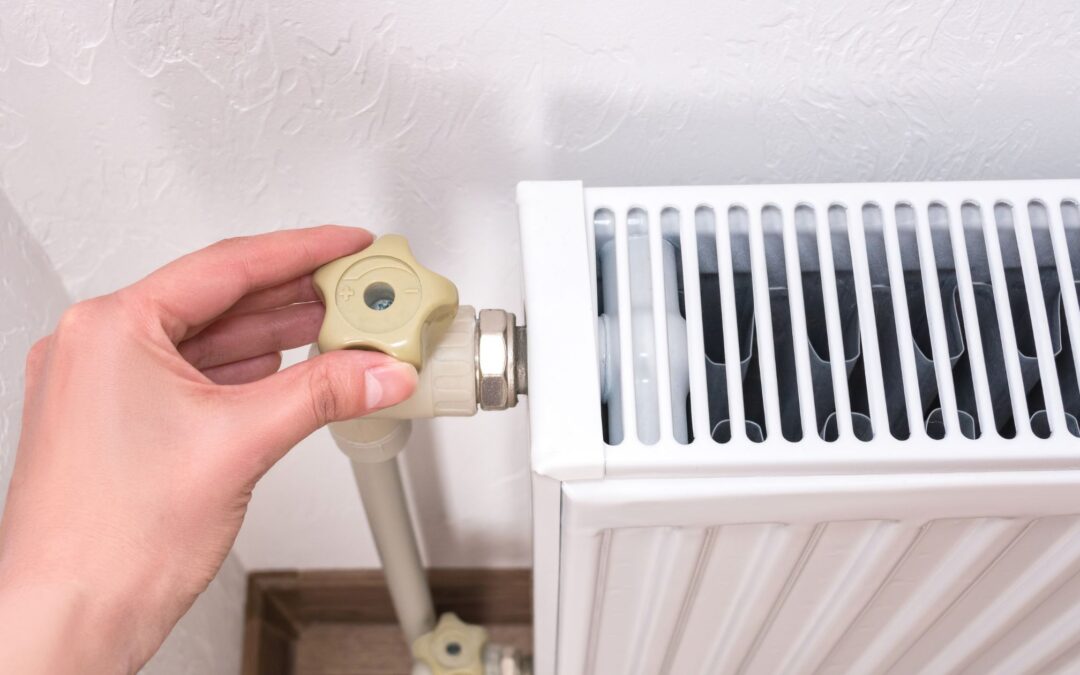
For the many households across the UK not connected to the mains gas grid, heating oil shropshire suppliers remain one of the most practical and widely used ways to keep a home warm. Despite being relied upon by well over a million homes, heating oil is often misunderstood compared to gas or electric heating. This guide covers everything a homeowner needs to know, from what heating oil actually is to how to store it safely and order it at the right time.
What Is Heating Oil?
Heating oil, most commonly known as kerosene, is a liquid fuel produced through the distillation of crude oil. It goes by several other names depending on the context, including home heating oil, burning oil and paraffin, though these all refer to essentially the same product when used for domestic heating purposes. Kerosene is favoured for home heating because it burns cleanly, is relatively low cost compared with some alternatives, and can be stored safely for long periods without degrading, provided it is kept in the right conditions.
Why Rural Homes Rely on Heating Oil
Heating oil is particularly common in rural areas where properties are too far from the gas network to make a mains connection practical or affordable. Rather than missing out on efficient central heating, these households instead rely on an oil fired boiler paired with an outdoor storage tank. This setup heats water for radiators in much the same way a gas boiler would, and can also power an oil fired range cooker, such as those found in many farmhouse kitchens.
Standard Versus Premium Kerosene
Most suppliers offer two main grades of heating oil, and understanding the difference can help you decide which is right for your household.
Standard kerosene provides reliable, everyday performance and is a perfectly adequate choice for most heating systems.
Premium grade kerosene contains additional additives designed to deliver a cleaner burn. These additives typically help to:
- Reduce sooty deposits building up within the boiler
- Prevent sludge forming inside the storage tank as a result of condensation
- Protect internal components from corrosion over time
- Extend the overall shelf life of the fuel itself
- Improve lubricity, which helps reduce wear on system components
While premium kerosene usually costs a little more upfront, many homeowners find that the reduction in maintenance issues and improved system longevity make it a worthwhile long term investment.
Storing Heating Oil Safely
Proper storage is essential for both safety and fuel quality. A few key points to keep in mind include:
- Tank placement. Storage tanks should sit on a stable, level surface, positioned away from open flames, boundaries and water sources in line with current regulations.
- Regular inspection. Check tanks periodically for signs of corrosion, leaks or damage, catching small issues before they become costly problems.
- Security. Fitting a lock to your tank helps deter theft, which unfortunately remains a risk for unsecured heating oil supplies.
- Monitoring levels. Keeping track of your oil level, either with a simple dipstick or an electronic monitor, helps you avoid running out unexpectedly.
When Is the Best Time to Order?
Timing your heating oil orders well can make a genuine difference to both cost and convenience. Between October and March, the average UK household gets through around two thirds of its entire yearly heating oil supply, meaning demand is heavily concentrated in the colder months. Ordering ahead of this peak period, typically during autumn, offers several advantages:
- Better pricing, since heating oil costs are influenced by global crude oil markets and tend to rise alongside winter demand
- Reduced risk of delays, as severe cold snaps can disrupt deliveries and make access to rural properties more difficult
- Peace of mind, knowing your tank is topped up well before the coldest weather arrives
- Reduced condensation issues, since a fuller tank generally experiences less internal condensation than one running low
Waiting until the first cold snap of the year to place an order can mean facing longer lead times, so planning ahead is generally the safer, more cost effective approach.
Managing the Cost of Heating Oil
Because heating oil is typically paid for in larger quantities upfront rather than through smaller regular bills, some households find it useful to spread the cost more evenly across the year. Many suppliers offer payment plans that calculate estimated annual usage and divide the cost into manageable monthly instalments, adjusting the amount if actual usage changes. This kind of approach can make budgeting for heating oil considerably more predictable, avoiding the pressure of large, unexpected bills during the coldest months.
Servicing Your Heating System
Alongside keeping your tank topped up, regular servicing of your boiler and wider heating system plays an important role in reliability and safety. Following the manufacturer’s recommended service schedule helps maintain efficiency, catches fuel related issues early, and ensures the system continues to run safely throughout the year. Autumn is often a sensible time to arrange a service, ensuring everything is running smoothly before the system is called upon to work hard through the winter months.
Choosing a Reliable Supplier
With heating oil being such an important part of keeping a home warm, choosing a dependable supplier matters. Look for a heating oil supplier with a strong track record, clear and competitive pricing, and flexible delivery options that can accommodate both regular orders and more urgent requirements when the weather takes a turn. A supplier that also offers guidance on tank maintenance, fuel additives and payment plans can make managing your heating oil considerably more straightforward throughout the year.
Final Thoughts
Heating oil remains a reliable, cost effective way to heat a home for the many households not connected to the mains gas network. Understanding the difference between standard and premium fuel, storing your tank correctly, and ordering at the right time of year can all help you avoid unnecessary costs and inconvenience. With a bit of forward planning and the right supplier on hand, keeping a home warm through the colder months does not need to be complicated.
Recent Comments