
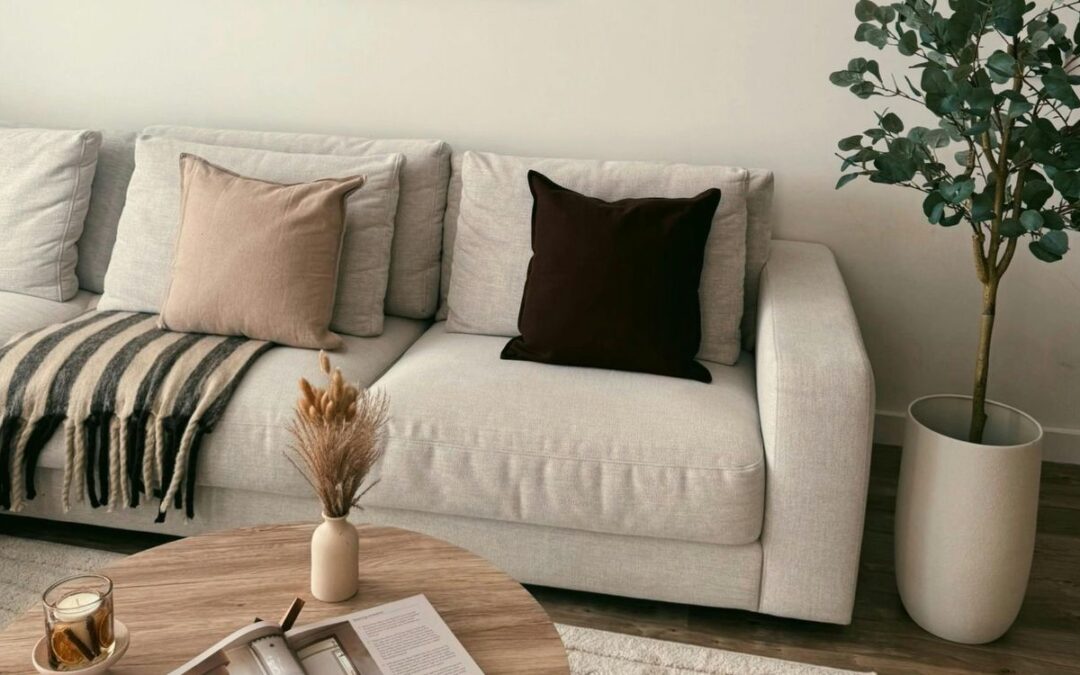
Bringing a vision to life, whether for a family home, a hotel, a restaurant or an office, takes more than a good eye for colour and furniture. It takes planning, technical knowledge, industry contacts and an understanding of how people actually use a space. This is why so many homeowners and business owners choose to hire a professional interior designer rather than tackling a renovation or fit out alone. This guide explains what professional interior designers cheshire actually do, when to hire one, what to expect from the process, and how to choose the right person for your project.
Why Blend Traditional and Contemporary Styles?
Traditional design brings warmth, history and craftsmanship, often rooted in classic architectural details, rich materials and time honoured proportions. Contemporary design, on the other hand, brings clean lines, simplicity and a focus on function, often incorporating the latest materials, technology and minimalist sensibilities.
Combining these two approaches allows a space to feel grounded and characterful while still remaining fresh, functional and suited to modern living or business needs. This is particularly relevant across North Wales, where many homes and commercial buildings feature genuine period architecture, from converted farmhouses and Georgian townhouses to historic stone cottages, all of which offer wonderful opportunities to blend old and new.
Key Principles of Blending Traditional and Contemporary Design
Respect the Architecture
Before introducing contemporary elements, it is important to understand and respect the existing architecture of a space. Original features such as exposed beams, cornicing, fireplaces, sash windows or stone walls often form the backbone of a property’s character, and good design should enhance rather than disguise these features.
Balance Old and New Materials
A successful blend often comes down to material choice. Pairing reclaimed wood with sleek metal finishes, or combining original stone walls with contemporary glass and steel, creates a visual dialogue between past and present that feels intentional rather than mismatched.
Keep a Consistent Colour Palette
Using a cohesive colour palette throughout a space helps unify traditional and contemporary elements, even when the styles themselves differ significantly. Neutral, natural tones often work particularly well as a base, allowing both classic and modern pieces to sit comfortably alongside one another.
Mix Furniture Eras Thoughtfully
Rather than furnishing an entire room in a single era or style, consider mixing antique or vintage pieces with clean lined contemporary furniture. A traditional wooden dining table paired with modern upholstered chairs, for example, creates contrast and interest while still feeling harmonious.
Introduce Contemporary Lighting
Lighting is one of the easiest ways to introduce a contemporary edge into a traditional space. Statement pendant lights, sculptural floor lamps or sleek recessed lighting can sit comfortably within a period property, adding a modern layer without compromising the building’s original character.
How to Approach a Blended Interior Design Project
Start With the Architecture
Take stock of what original features exist within the space and consider how these can be preserved, restored or highlighted as part of the overall design. In many period properties, features such as fireplaces, cornicing or exposed brickwork can become the visual anchor for the entire design scheme.
Define Your Contemporary Layer
Decide which elements of the space will introduce a more contemporary feel, whether that is through furniture, lighting, colour or technology. This might include underfloor heating, integrated smart lighting, or sleek fitted joinery that contrasts with more traditional architectural details.
Choose a Unifying Colour Story
Select a colour palette that can run consistently throughout the space, tying together both traditional and contemporary elements. Soft neutrals, warm whites and natural tones tend to work particularly well, allowing bolder accent colours or statement pieces to stand out without clashing.
Layer Textures Thoughtfully
Combining a variety of textures, such as natural wood, soft textiles, stone, metal and glass, adds depth and richness to a space, helping traditional and contemporary elements feel woven together rather than competing with one another.
Invest in Statement Pieces
A single striking piece of contemporary furniture or lighting within an otherwise traditional room can become a powerful focal point, demonstrating how old and new can coexist beautifully within the same space.
Blending Styles in Residential Projects
Homeowners across North Wales often want to preserve the character of a period property while updating it for modern comfort and lifestyle needs. This might involve opening up traditional, compartmentalised layouts into more open plan living spaces, while carefully retaining original features such as fireplaces or exposed beams. Kitchens in particular offer a wonderful opportunity to blend styles, combining traditional cabinetry profiles with contemporary worktops, integrated appliances and modern lighting.
Blending Styles in Commercial Projects
Commercial spaces, particularly boutique hotels, restaurants and characterful retail units, often benefit enormously from a blended design approach. A historic building repurposed as a boutique hotel, for example, can retain its architectural charm and story while introducing contemporary comfort, technology and finishes that meet modern guest expectations. This balance between heritage and modernity often becomes a defining feature of a venue’s identity, giving it a genuine sense of place that purely contemporary design cannot replicate.
Common Mistakes to Avoid
- Over restoring a period property to the point where it feels like a museum rather than a lived in space
- Introducing too many contemporary elements at once, overwhelming the original character of a building
- Ignoring scale and proportion when mixing furniture from different eras
- Choosing a colour palette that feels disjointed between traditional and contemporary areas
- Underestimating the importance of lighting in successfully bridging old and new design elements
Working With an Experienced Interior Designer
Successfully blending traditional and contemporary design requires a genuine understanding of architecture, materials and proportion, along with a clear creative vision for how old and new can work together harmoniously. Studios with strong experience in this specific approach, such as Interior designers north wales, bring a refined signature style that combines traditional character with contemporary comfort across both residential and commercial projects throughout the region.
An experienced designer will know when to preserve original features, when to introduce contemporary contrast, and how to create a cohesive final result that feels considered rather than accidental, ensuring the finished space tells a story that respects its history while remaining genuinely functional for modern life.
Final Thoughts
Blending traditional and contemporary interior design is one of the most rewarding approaches to creating a truly timeless space, particularly across a region as architecturally rich as North Wales. By respecting original architecture, layering materials and textures thoughtfully, and introducing contemporary elements with intention rather than excess, it is entirely possible to create interiors that honour a building’s history while feeling genuinely fresh and relevant for years to come. Whether renovating a period family home or repurposing a historic building for commercial use, this balanced approach to design consistently delivers spaces with genuine depth, character and longevity.
Recent Comments